

Whale & Dolphin Conservation in Tenerife for Teenagers

Destination

Age

Minimum Stay
2 weeks

Start Date

Accommodation

Service Hours
What’s included

Transportation

Excursions, Socials & Fun

Activities, Training & Equipment

24/7 Support
Starting at $4,070 for 2 weeks
Trip Overview

Research wild whales and dolphins
Support efforts to identify species and individuals, record behaviour and group composition, and watch your findings become useful scientific data.

Join an established conservation project
Become part of ongoing research, contributing to a comprehensive photo-identification catalogue and extensive biodiversity and coastal monitoring.

Explore an extraordinary island
Hike through volcanic landscapes, explore towering cliffs and volcanic rock pools, and discover historic towns to immerse in Canary Island culture.

Build transferable and personal skills
Enhance your confidence and independence by travelling solo while also learning professional skills like data entry, teamwork, and communication.

Share the adventure with other teens
Join a supervised group of teenagers and enjoy working, exploring, and relaxing together, making global friendships and lifelong bonds.
What you need to know
Overview
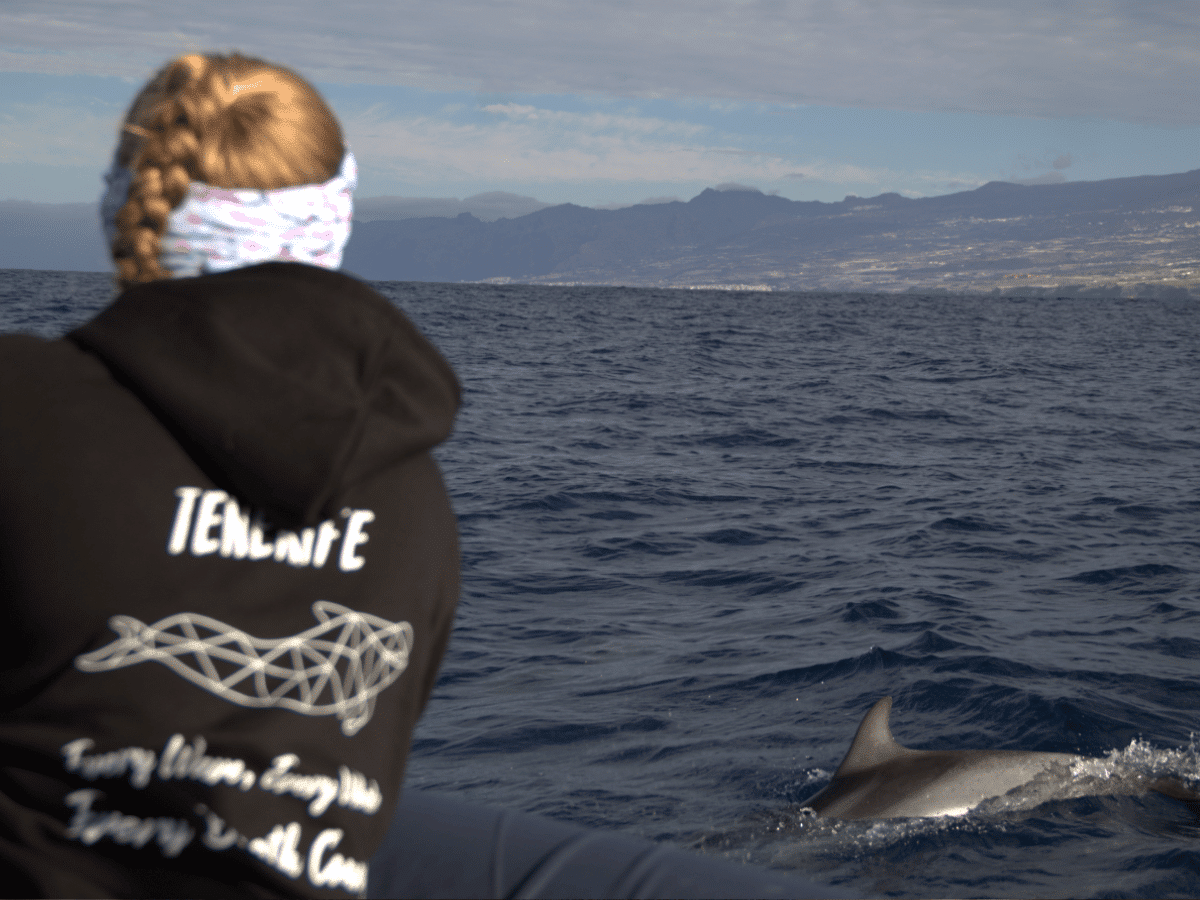
There are few feelings like heading out into the Atlantic Ocean on a research boat, scanning the water for the first sign of a fin… and spotting one. On this two-week project, you’ll experience the excitement of that feeling while working with other teenagers through a set itinerary designed to help you develop skills, build independence, and have fun.
You won’t be joining a whale-watching trip, you’ll take part in an established marine conservation and research expedition inside Europe’s first Whale Heritage Area. You’ll work alongside experienced conservationists to study whales and dolphins, learn how researchers record their findings, and protect the wider coastal environment.
You’ll experience all aspects of working in marine research without the need for prior experience, giving you an edge over the competition in college and job applications. Plus, you’ll explore the stunning island of Tenerife, immerse in the local culture, and marvel at spots of incredible natural beauty.
Journey alongside other teenagers as part of a structured and supervised two-week program. It runs over set dates throughout school break with the full support of our staff, so you can travel with full confidence at a time that suits you.
Activities
As a teen Marine Conservation participant in Tenerife, you’ll work with expert conservationists on the stunning Canarian coastline. You’ll move between marine research, coastal conservation, scientific learning and island exploration.
Here are some of the tasks you can expect to do during your placement, depending on the needs at the time:
Mammal monitoring
Board boats to monitor and research whales and dolphins in the area through photo documentation and fin identification. Record species-specific data on behaviour, movement patterns, and group dynamics to estimate and understand population sizes.
Land surveys
Conduct land surveys to monitor boat activity and assess how many boats are in the area at any given time. The data you collect will be used to assess threats to marine life and how it impacts whale and dolphin migration and movement patterns.
Beach cleans
Assist with beach cleans by collecting waste and conducting microplastic surveys on Tenerife’s shoreline, protecting nesting creatures and seabirds. You’ll record what you collect and add it to a citizen science database.
Conservation training
Attend workshops to learn about the natural history, biology, behaviour, and social interactions of whales and dolphins. You’ll also learn how to photograph, identify and catalogue these beautiful creatures as well as other marine life.
Environmental education
Participate in environmental education and outreach in the local community as part of our long-term commitment to environmental protection. You might produce educational materials for local children or deliver insightful talks to the community.
Conservation volunteering is all about supporting the protection of our natural world. Your work will help conserve the unique ecosystem of Tenerife and the species that live there, including the whales and dolphins. You’ll also support and inform future conservation efforts.
Join a Conservation Volunteering Project to create a world in which people and planet can coexist and prosper.
Aims & Impact
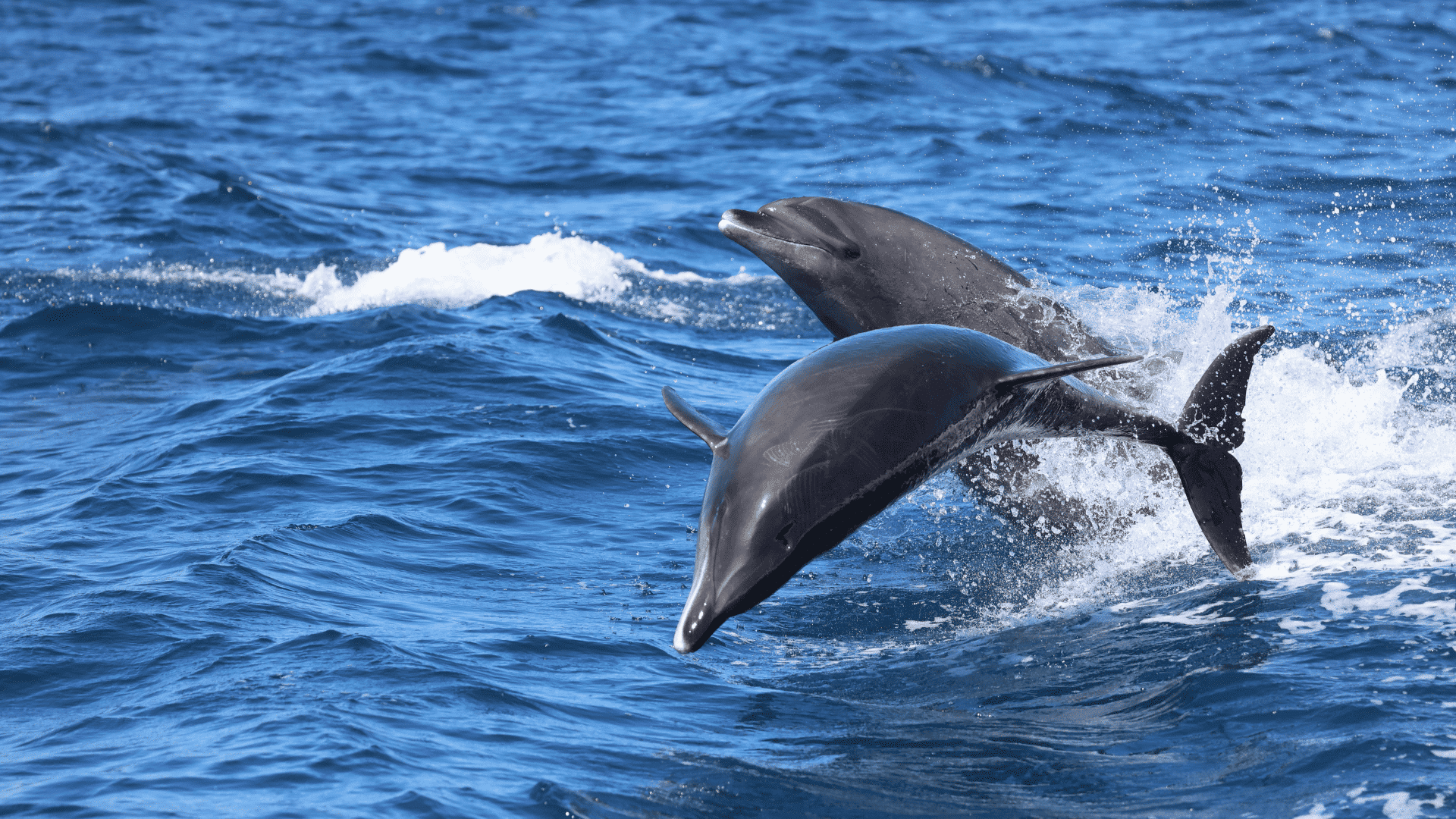
The main aim of this project is to support the ongoing monitoring and protection of Tenerife’s local whales, dolphins, and coastal ecosystems. The Canary Islands are home to year-round populations of short-finned pilot whales and bottlenose dolphins, alongside many other species that pass through seasonally. This is why it was recognised as Europe’s first Whale Heritage Area.
That makes Tenerife an extraordinary place to see and protect whales and dolphins, bringing huge positives to the area, but also some negatives. It is a very busy marine environment, with high tourism, vessel traffic, coastal development, pollution, and marine litter. These all create pressures and threats to the natural ecosystem that conservationists need to understand and combat.
We support local experts in building a database on whale and dolphin populations and the wider marine ecosystem. We do this by assisting with boat surveys, photo-identification, vessel monitoring, biodiversity surveys, environmental clean-ups, and citizen science programs.
Your time in Tenerife will be spent working towards three objectives:
- Understand and protect whales and dolphins
- Understand human pressure on the marine environment
- Protect Tenerife’s wider coastal ecosystem
Though you may only join for two weeks, your individual contribution becomes part of something much bigger, combined with all past, present, and future participants.
Safety & Staff Support
Your safety and security is our prime concern. We have many procedures and systems in place to ensure you have all the support you need as a young person travelling abroad.
Our Projects Abroad staff are available 24/7 to provide support and guidance. They will also make sure you feel comfortable and safe at your placement and accommodation.
Find out more about safety and backup.
This placement is fully researched, safety audited, and risk assessed in accordance with the British Standard BS8848 for the Adventure Travel Sector.
Map & Location
Home to sun-kissed coastlines, the oldest restaurant in the world, and the third-most UNESCO World Heritage Sites, Spain has something for everyone. It is safe, welcoming, and a hugely popular tourist destination, with some of the best beaches in Europe.
Tenerife
The largest of the Canary Islands off the northwest coast of Africa, Tenerife is the perfect place for this project. Almost a million people call it home, but many more visit the island as tourists every year because of its constant subtropical climate.
The surrounding deep Atlantic waters support an exceptional variety of whales, dolphins, and marine life. On land, Tenerife rises from beaches and coastal cliffs to pine forests and the volcanic summit of Mount Teide, Spain’s highest mountain.
Food & Accommodation
Experience the warmth of Tenerife with everything you need to have an incredible marine conservation experience. This includes a comfortable bed, three meals a day, and fresh drinking water provided throughout the project.
You’ll get to try the traditional food of Tenerife, heavily inspired by Spanish and African flavours, which are tailored to your dietary needs. You can expect a lot of marinated meats, potatoes, and stews!
You’ll stay in a hostel, sharing with other Projects Abroad participants of a similar age and gender. You’ll also be able to hang out in common areas with other participants to play games, relax, and build global friendships.


Your Arrival Made Easy
When you arrive at your respective airport, a member of Projects Abroad staff will be there to meet you. You can find more detailed information on arrival airports, orientation, and visas on our Spain Arrival Procedures page.

Book your adventure
Starting at $4,070 for 2 weeks

Call +1 (917) 810 4744 to connect with your Project Expert for free personal advice and support.
Still got questions? We’re happy to help!
You may also like
-

Medical Internships in Spain for Teenagers
 High School Programs
 Medicine
14-18 y/o2+ weeksHomestayView project: Medical Internships in Spain for TeenagersStarting at $6,495 for 2 weeks
Extra Week:$2,595 -
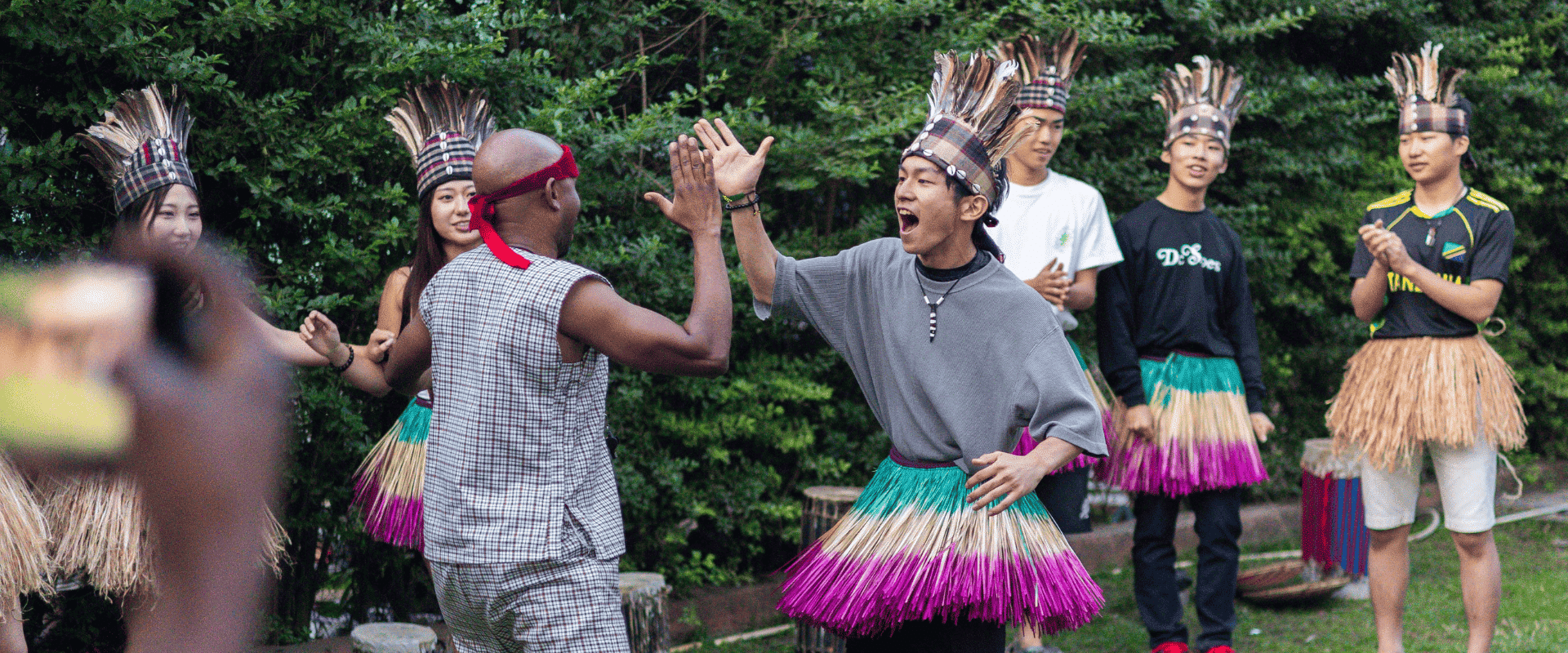
Culture & Adventure for Teenagers in Tanzania
High School Programs Culture & Adventure
14-18 y/o2+ weeksHomestayView project: Culture & Adventure for Teenagers in TanzaniaStarting at $5,195 for 2 weeks
Extra Week:$2,595 -
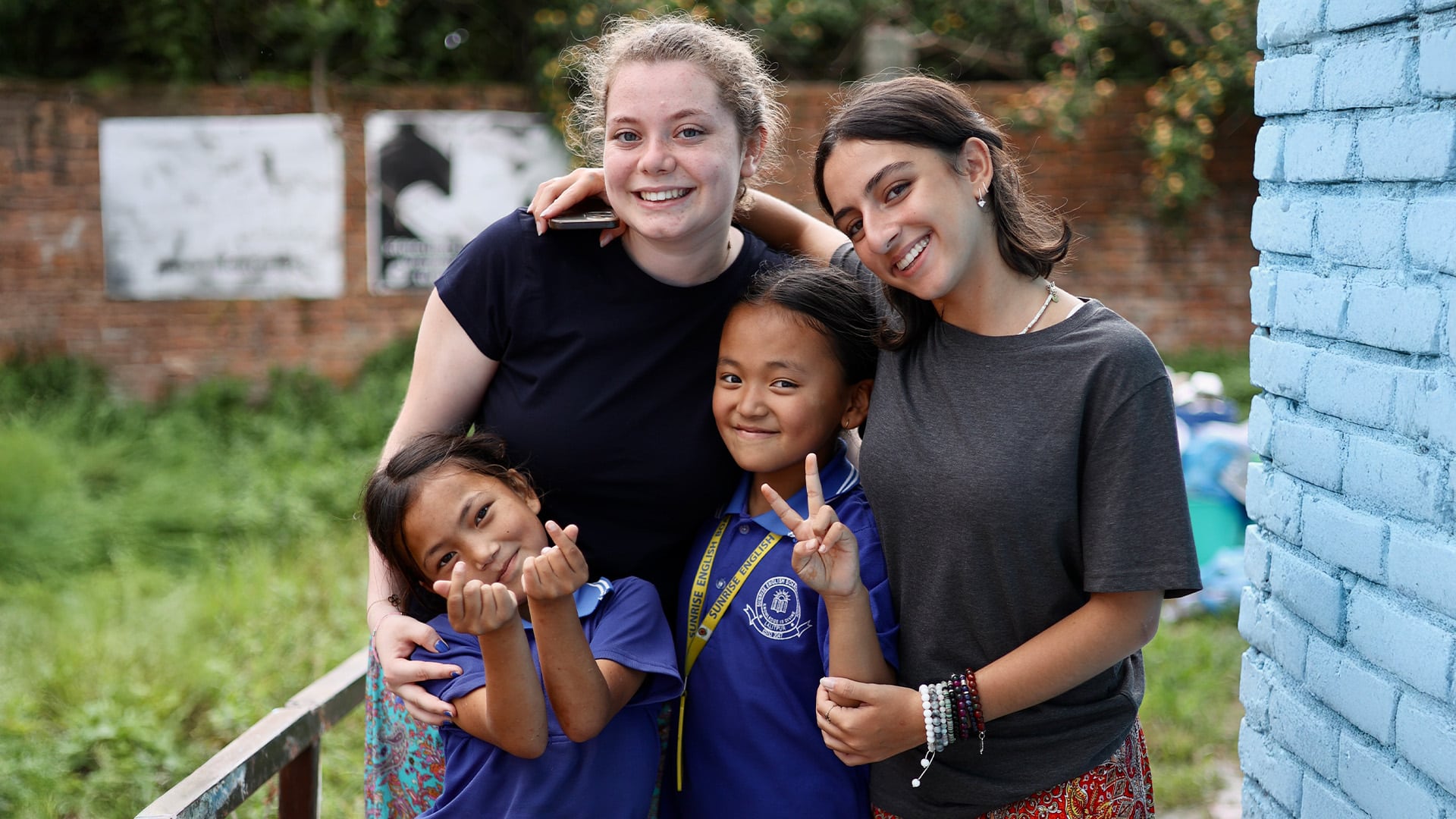
Volunteer with Children in Nepal as a Teenager
High School Programs Childcare & Community
15-18 y/o2+ weeksHotelView project: Volunteer with Children in Nepal as a TeenagerStarting at $3,245 for 2 weeks
Extra Week:$495 -
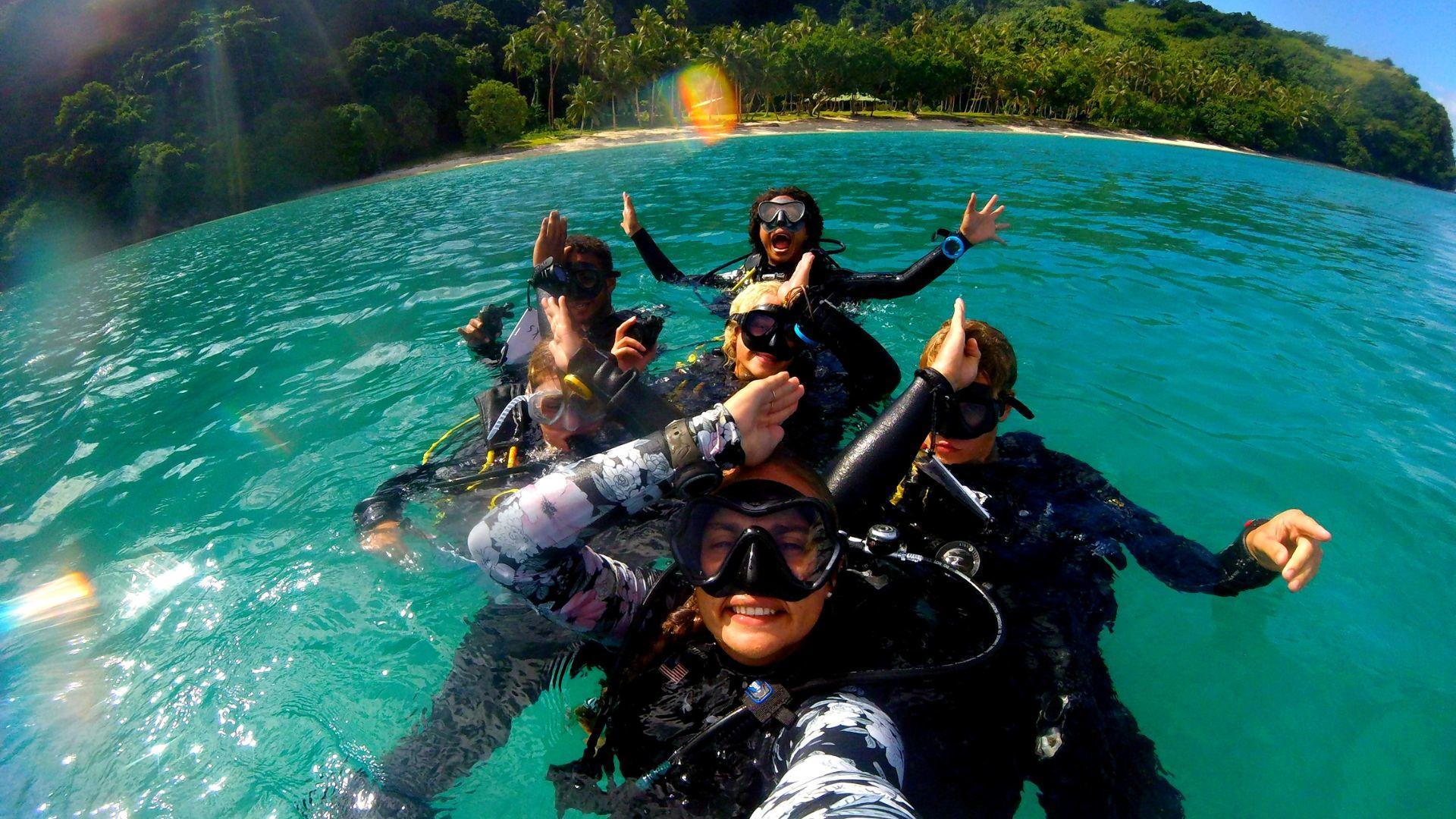
Volunteer Shark Conservation in Fiji for Teenagers
High School Programs Marine
14-18 y/o2+ weeksApartmentView project: Volunteer Shark Conservation in Fiji for TeenagersStarting at $5,195 for 2 weeks
Extra Week:$945 -
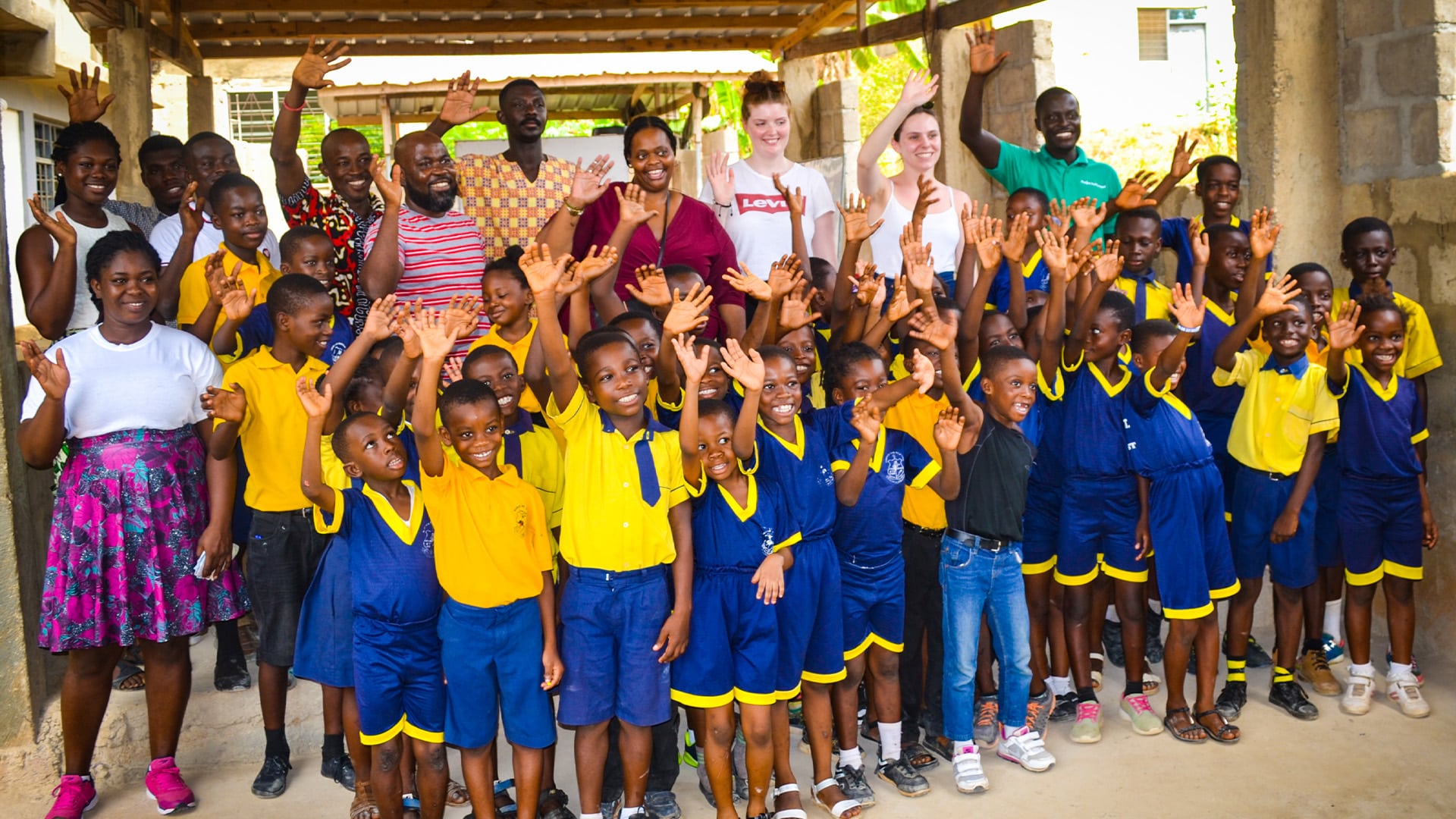
Volunteer Work with Children in Ghana for Teenagers
High School ProgramsChildcare & Community
14-18 y/o2+ weeksHomestayView project: Volunteer Work with Children in Ghana for TeenagersStarting at $3,520 for 2 weeks
Extra Week:$545


