Volunteering with Animals in Botswana for Over 50s
Help protect wildlife in the wild heart of the African bush

Destination

Age

Minimum Stay
2 weeks

Start Date

Accommodation
What’s included

Certification

Excursions, Socials & Fun

Activities, Training & Equipment

Pre-departure Support
Starting at $3,895 for 2 weeks
Trip Overview

Support wildlife conservation
Contribute to vital conservation efforts in Botswana, protecting endangered species and preserving their habitat

Become a citizen scientist
Assist experienced researchers with data collection, monitoring animal populations, and contributing to conservation projects

Experience Botswana's wildlife
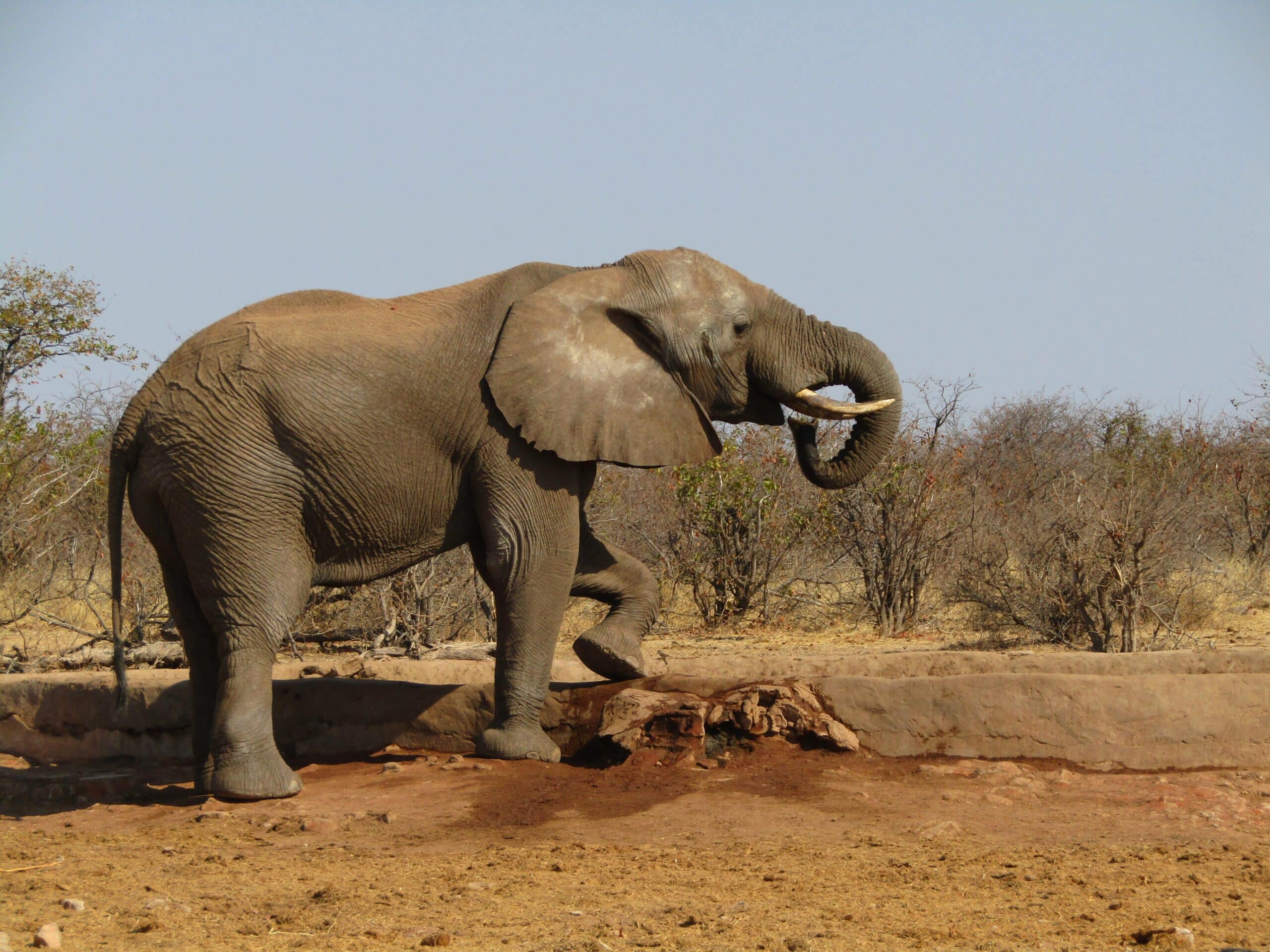
Witness incredible wildlife such as elephants, lions, and giraffes in their natural environment

Explore an African nature reserve
Immerse yourself in the breathtaking beauty of Tuli and the nearby Limpopo River, on a reserve spanning 20,000 hectares

Connect with nature at your ow pace
Enjoy a unique and rewarding experience in a supportive environment tailored to older volunteers
What you need to know
Overview
This program offers you the opportunity to protect some of the most iconic species in the African bush while learning more about the local culture. Tailored to volunteers over 50, you will join a group of like-minded, mature individuals who share your passion for giving back through travel.
Together, you’ll experience Botswana in an authentic way while contributing to the protection of elephants, lions, and a variety of other native species.
You don’t need any experience to join this project as an older volunteer. Conservation workers will support you through your journey, helping you spot and protect endangered animals in Botswana.
You’ll follow a structured itinerary with set activities and plenty of time to relax and unwind. Staff will be on hand to help and support you 24/7. They can also recommend trips if you’d like to explore beyond the reserve.
This is a once-in-a-lifetime chance to immerse yourself in Botswana’s wilderness. There are few things more rewarding than staying in stunning surroundings while helping to protect vulnerable animals.
Activities
Spend two weeks surrounded by iconic African wildlife in the Tuli Block reserve, working alongside conservationists, researchers, and rangers. Your first week will offer a blend of wildlife monitoring and soil erosion prevention and conclude with a weekend of cultural immersion and exploration.
You will continue monitoring the local species during your second week, as well as assist with general reserve maintenance tasks.
You will:

Track and survey wildlife

Set up camera traps

Join anti-poaching patrols

Prevent soil erosion

Maintain waterholes and dams
Track and survey wildlife
Botswana is home to a vast and diverse range of wildlife, acting as a crucial sanctuary for some of Africa’s most iconic species. The country famously has over 130,000 elephants, which represents roughly one-third of the continent’s entire population. Working alongside conservationists, you will learn about the different species living in the reserve, track the populations, and monitor their behaviour.
Become a wildlife track identification expert; survey the mammal population at Mopani Dam; engage in a birdwatching session at Jenda Hide; monitor elephant herds at Mopani Dam and Hi-side; and conduct a crocodile census at the Limpopo River.
The data you collect is crucial to the conservation teams to detect shifts in endangered populations and formulate urgent action plans in collaboration with the government.
Set up camera traps
Because many of Africa’s most fascinating species are nocturnal or naturally wary of humans, camera traps offer an invaluable, non-invasive window into their hidden world.
Strategically place these motion-activated cameras under the conservationist’s guidance and gather the captured footage.
During your second week, you will download and review all footage, giving you a chance to analyse the behaviour of the nocturnal and shy wildlife. This vital footage is then integrated into local research databases, helping conservationists map exact territory boundaries, track animal movements, and better understand nocturnal behaviour.
Join anti-poaching patrols
Illegal poaching for bushmeat remains a widespread threat to the local biodiversity.
You will become an active part of the solution by joining the reserve rangers on vital anti-poaching patrols, sweeping key areas to locate and safely dismantle illegal wire snares
By clearing these hazardous traps from the bush over the course of your stay, your team’s efforts will directly protect the ecosystem and save the lives of hundreds of animals.
Prevent soil erosion
Soil erosion is a major threat to habitat stability, often accelerated by heavy seasonal flooding. Left unchecked, erosion degrades soil fertility, increases the risk of severe flash floods, and damages aquatic ecosystems by washing sediment into local rivers.
As a conservation volunteer, you will step in to help prevent this damage. Assist in preparing and installing erosion control materials to stabilise vulnerable areas.
This practical work is a crucial part of the reserve’s conservation strategy, helping to keep the landscape stable, healthy, and protected for generations to come.
Maintain the reserve
Botswana’s national motto, Pula! (meaning “let there be rain”), reveals just how deeply water and natural resources are valued in this landscape. Where water is scarce and the environment is fragile, dedicated stewardship is required to keep the ecosystem thriving.
You will support the local team through three vital infrastructure initiatives:
- Reserve Maintenance: Play a direct role in wildlife survival by cleaning crucial waterholes and clearing dust from the solar panels that power the reserve’s essential systems.
- Road Maintenance: Help with road repairs and trim back overgrown vegetation to ensure driving tracks remain safe and clear for rangers and research vehicles.
- Clean-up: Participate in a dedicated community clean-up activity at Hi-side to preserve the natural beauty and environmental health of the area.
Aims & Impact
This project is all about safeguarding Botswana’s wildlife and restoring the local environment. Your daily efforts on the reserve will support three main areas of conservation:
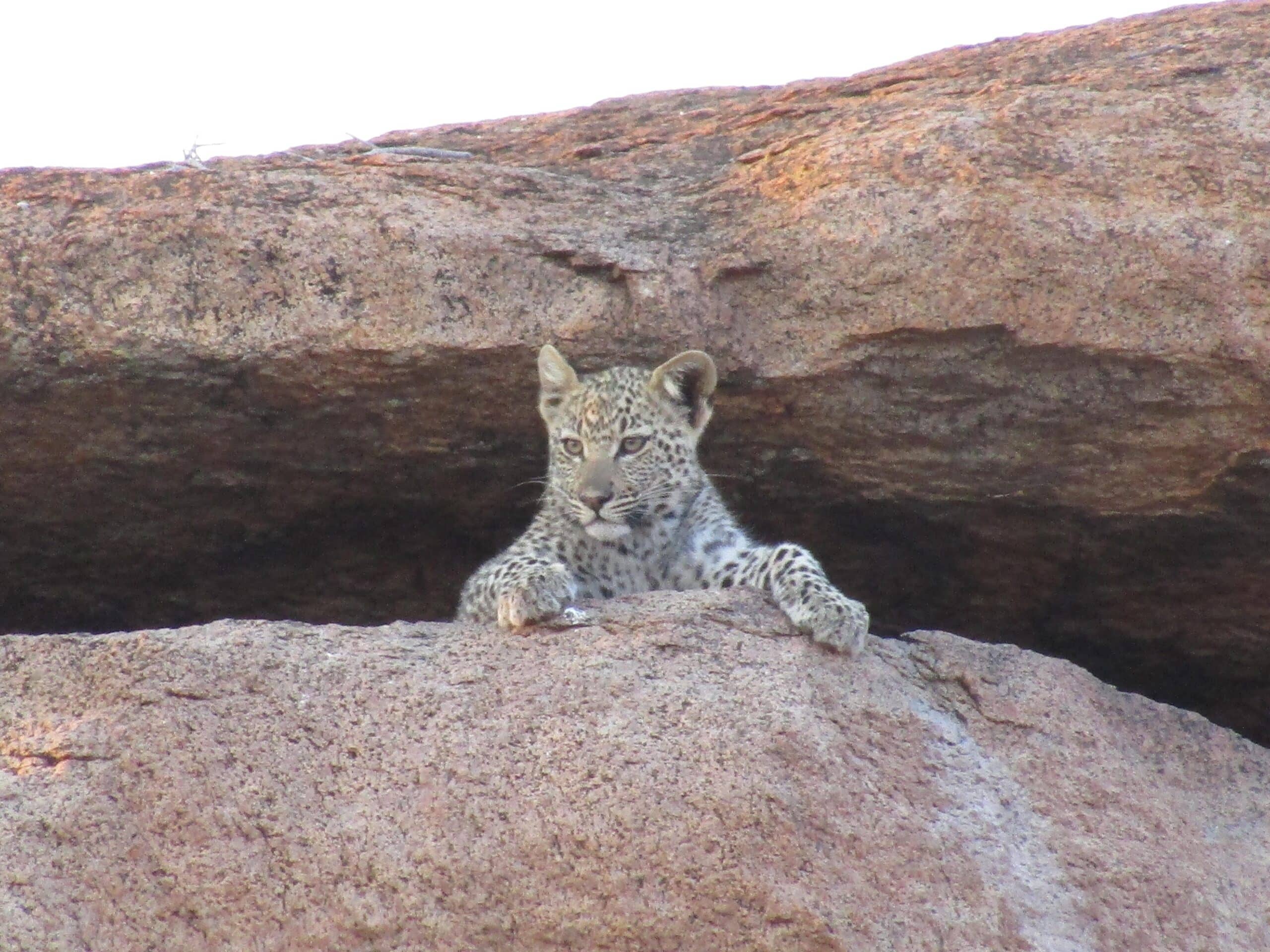
- Biodiversity Monitoring: Tracking species like elephants, leopards, and hyenas to help guide regional protection plans.
- Habitat Preservation: Actively counter land degradation through targeted soil erosion management and essential infrastructure care.
- Front-line Defence: Joining rangers on active patrols to remove hidden snares.
Every survey completed and snare removed brings us closer to our long-term goal—creating a legally protected conservation area in partnership with regional national parks.
Map & Location
It’s considered one of the safest countries in Africa making it a popular tourist hotspot to see Africa’s Big 5—elephants, lions,
leopards, rhinos, and buffalos!
Famous for sights such as the Okavango Delta, Kalahari Desert, and Chobe National Park, it’s one of world’s last true wildernesses just waiting to be explored.
The Tuli Block
Immerse yourself in the heart of the remote African bush at our conservation reserve in The Tuli Block, eastern Botswana.
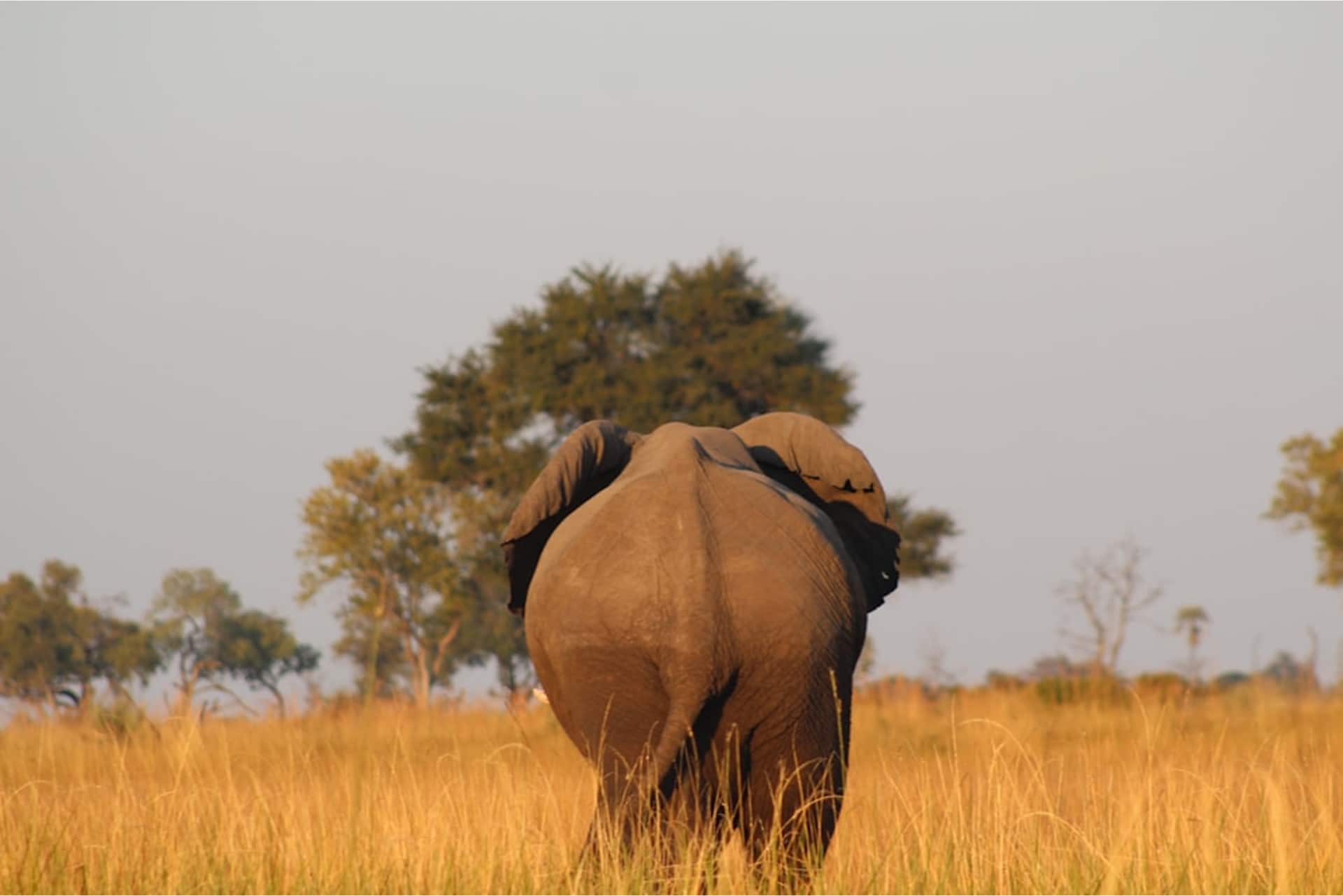
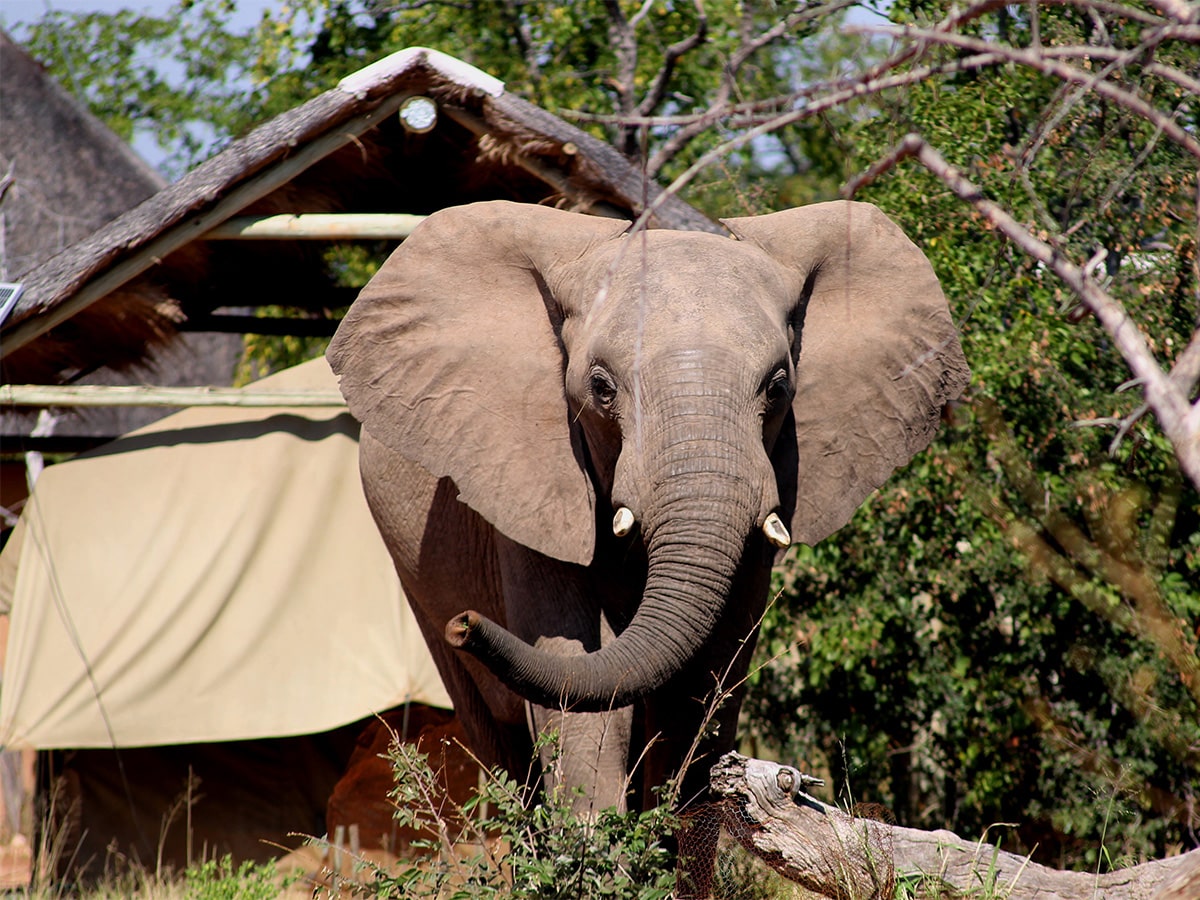
This region, characterised by dramatic sandstone cliffs, baobab trees, and the Limpopo River, supports a diverse ecosystem of spectacular wildlife. In fact, it’s home to a large elephant population that may even stroll right through your camp!
You’ll also see giraffes, lions, leopards, cheetahs, and much more — it’s a safari lover’s dream.
Food & Accommodation
We’ll provide everything you need for a fantastic experience in the heart of the African savannah, including a comfortable bed, three meals a day, and fresh drinking water.
You’ll share a safari-style tent with other volunteers during your stay at our base camp in the Tuli Block. This is a great way to get to know your fellow volunteers and share a totally different experience with the wildlife of the bushveld on your doorstep.
Despite having no electricity in your room, you will have access to communal, solar-powered charging stations and hot, running water. Your room will be cleaned weekly by our team of camp attendants and we’ll take care of your laundry too!
Enjoy your free-time under the stars around the campfire, playing cards, sharing culture, and telling stories.


Your Arrival Made Easy
When you arrive at your respective airport, a member of Projects Abroad staff will be there to meet you. You can find more detailed information on arrival airports, orientation, and visas on our Botswana Arrival Procedures page.

Book your adventure
Starting at $3,895 for 2 weeks

Call +1 (917) 810 4744 to connect with your Project Expert for free personal advice and support.
Still got questions? We’re happy to help!
You may also like
-
Conservation and Community Work in Ecuador for Volunteers over 50
 Over 50sConservation & Community
50+ y/o2+ weeksLodgeView project: Conservation and Community Work in Ecuador for Volunteers over 50Starting at $4,270 for 2 weeks
-

Rhino Conservation and Community Development for Volunteers over 50
Over 50sConservation & Community
50+ y/o2+ weeksHotelView project: Rhino Conservation and Community Development for Volunteers over 50Starting at $3,895 for 2 weeks
Extra Week:$755 -

Khmer Cultural Project in Cambodia for Volunteers over 50
Over 50s Discovery Tours
50+ y/o2+ weeksApartmentView project: Khmer Cultural Project in Cambodia for Volunteers over 50Starting at $3,695 for 2 weeks
Extra Week:$670


